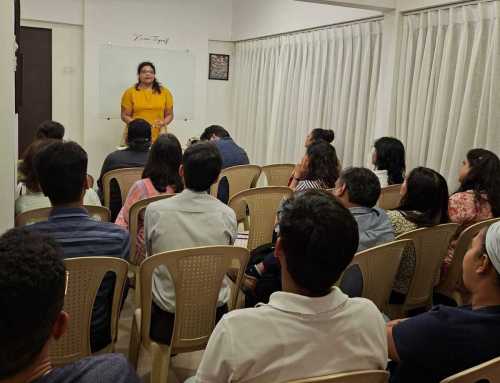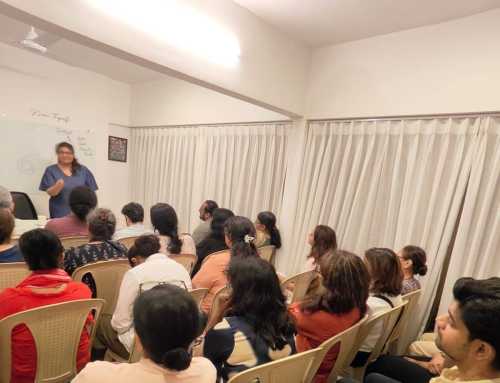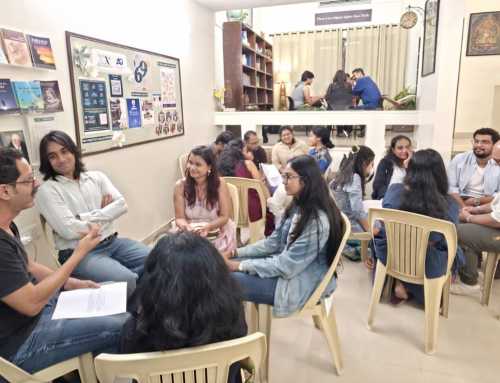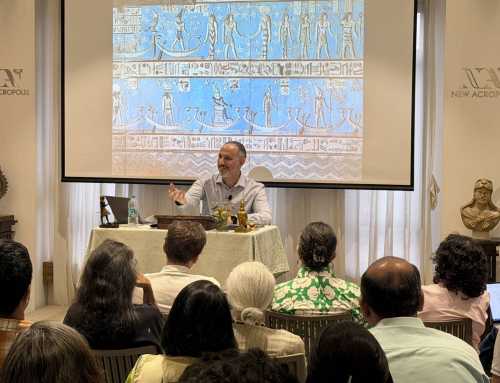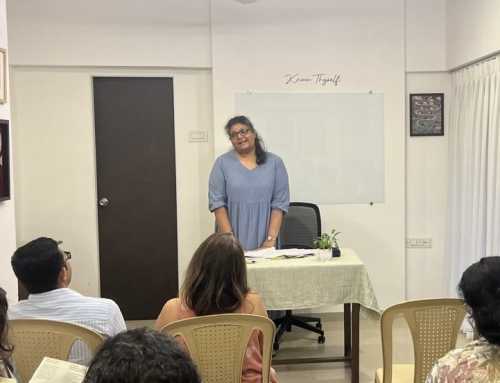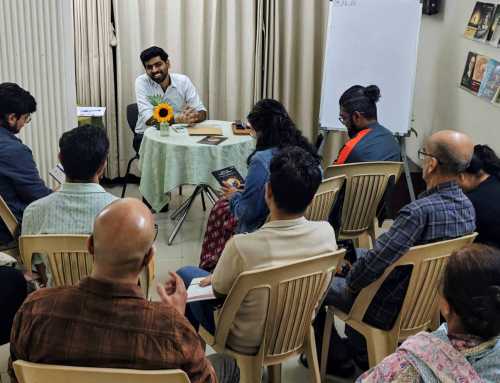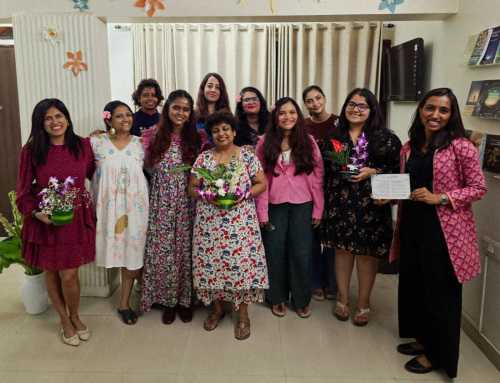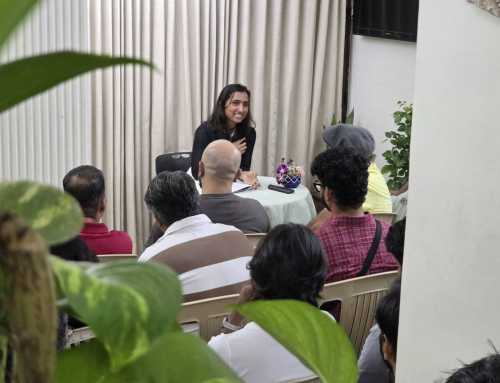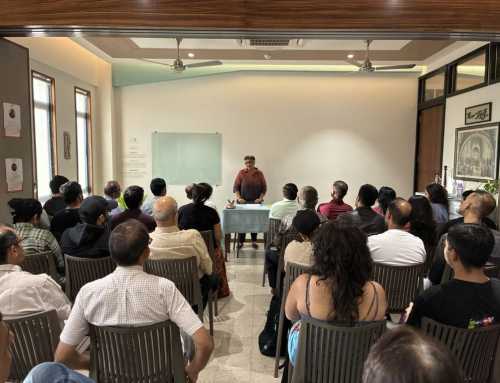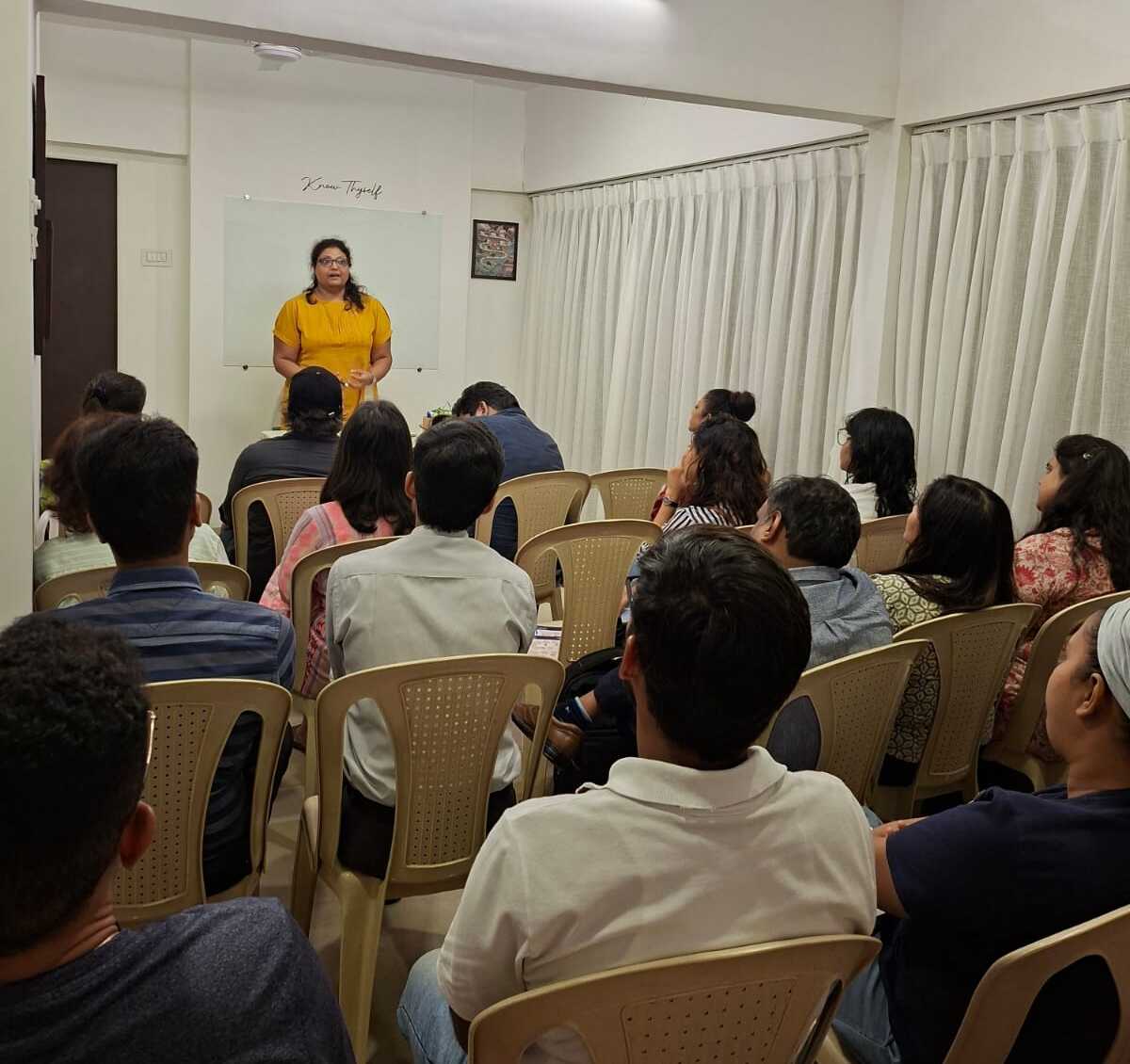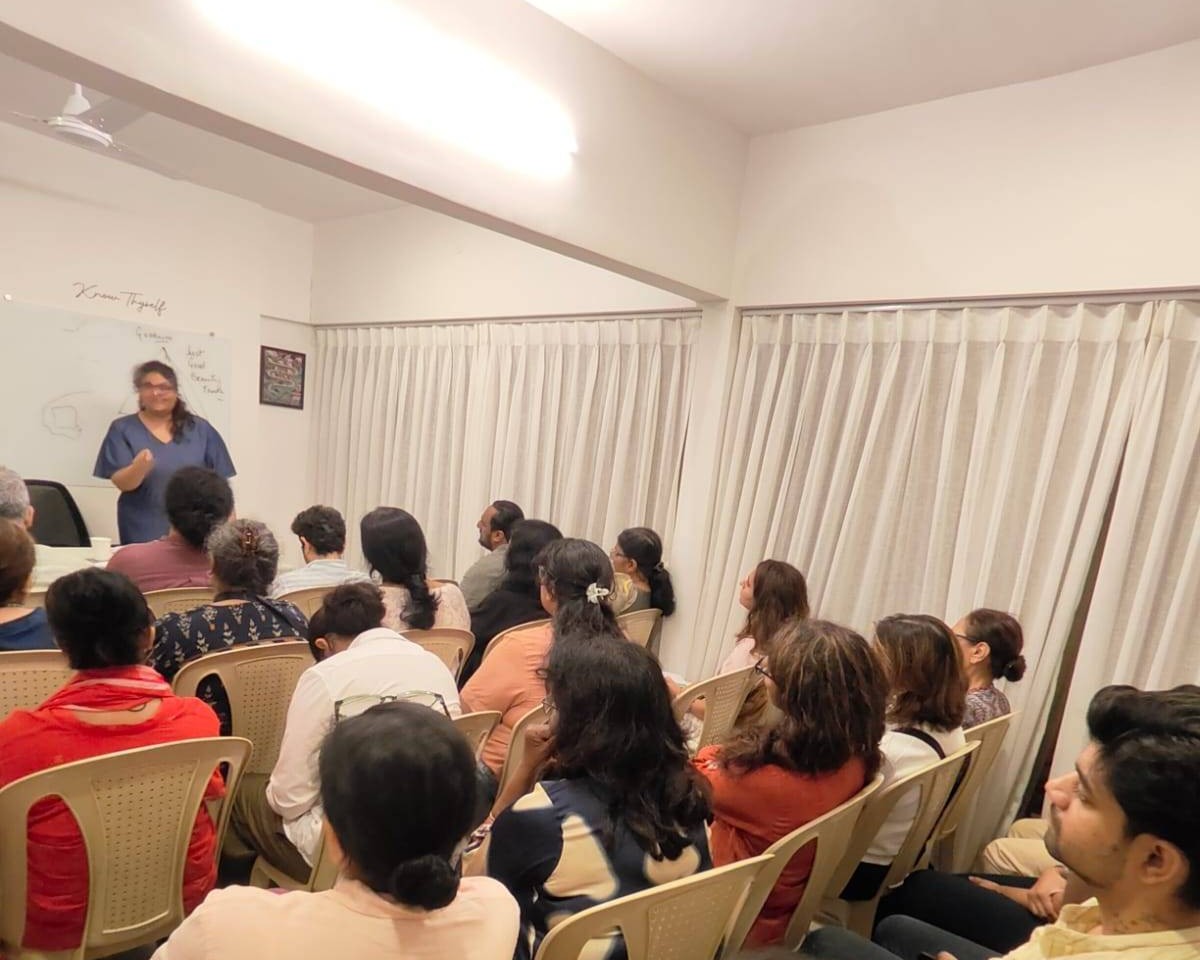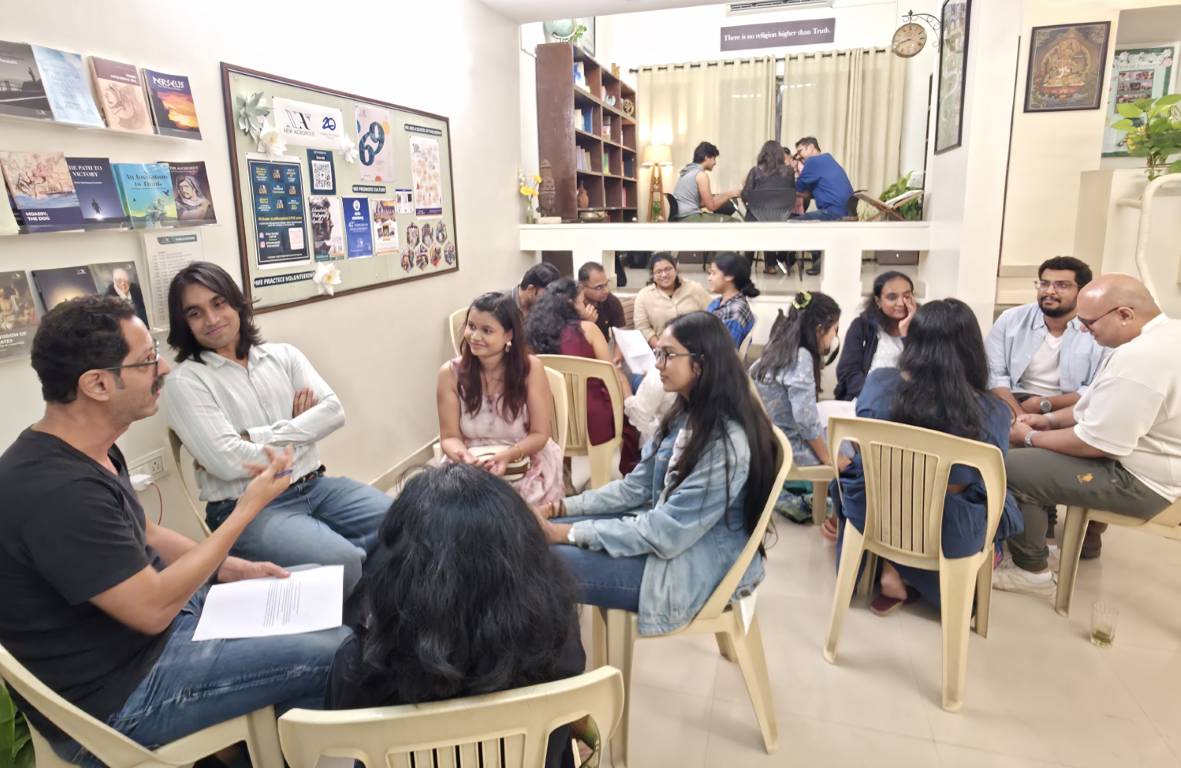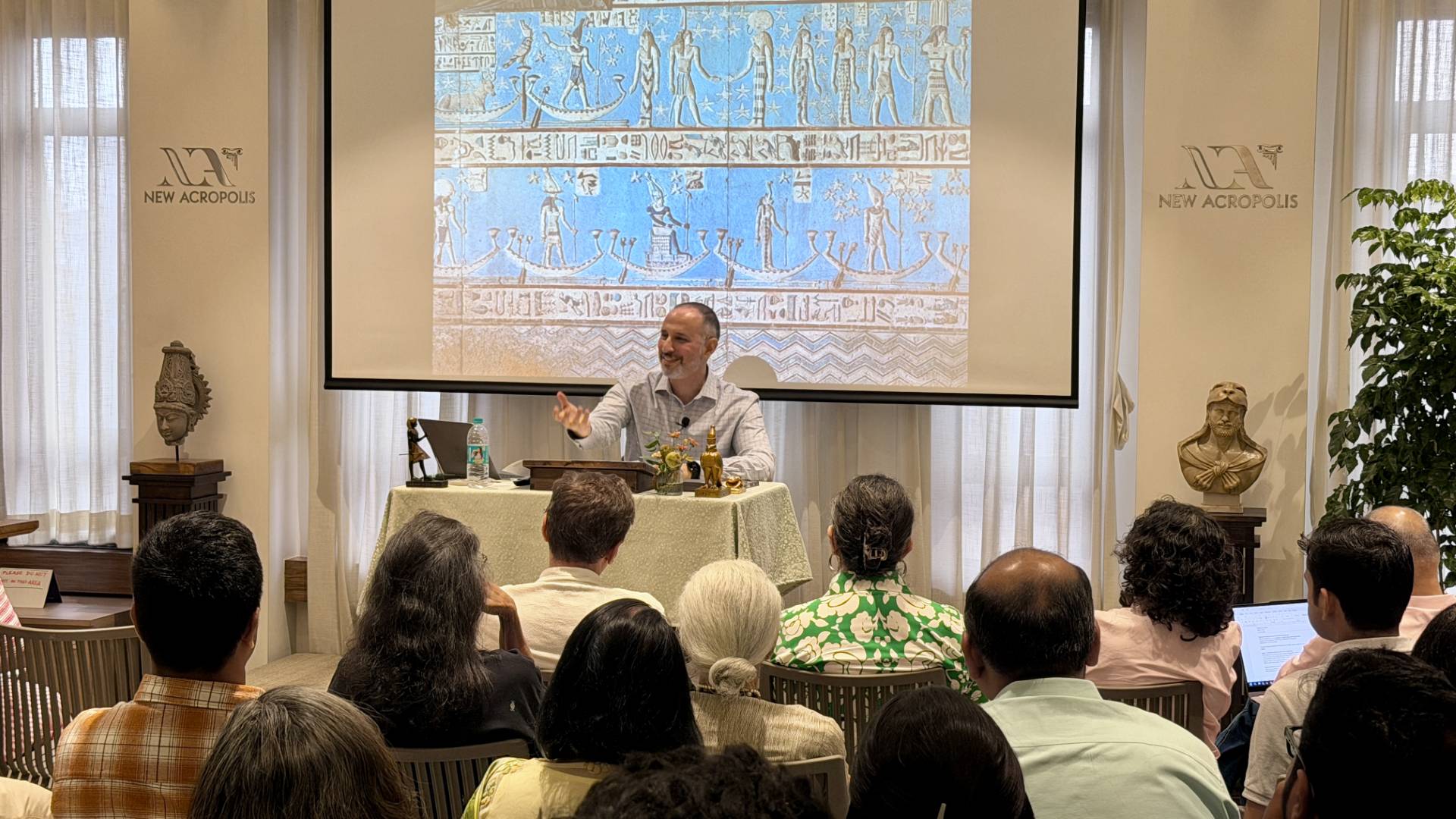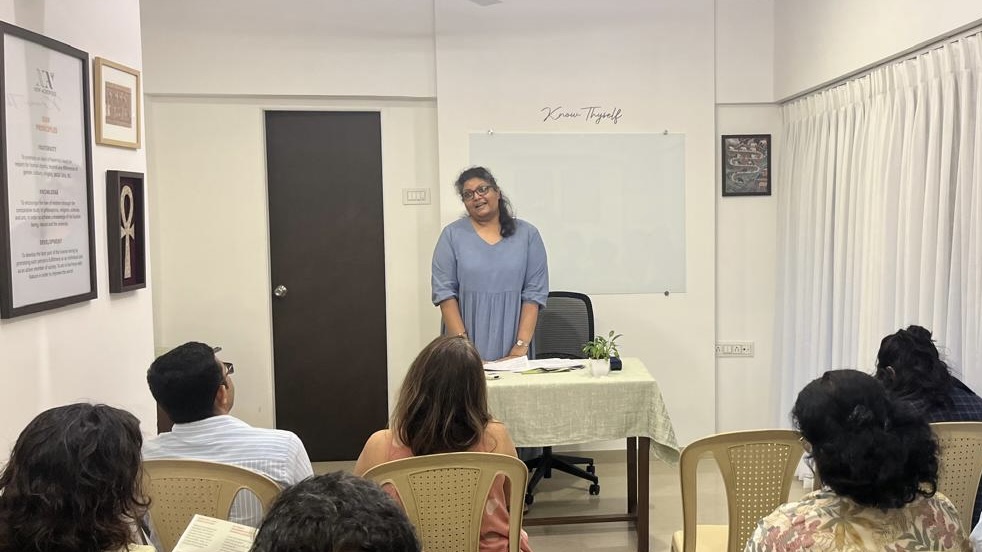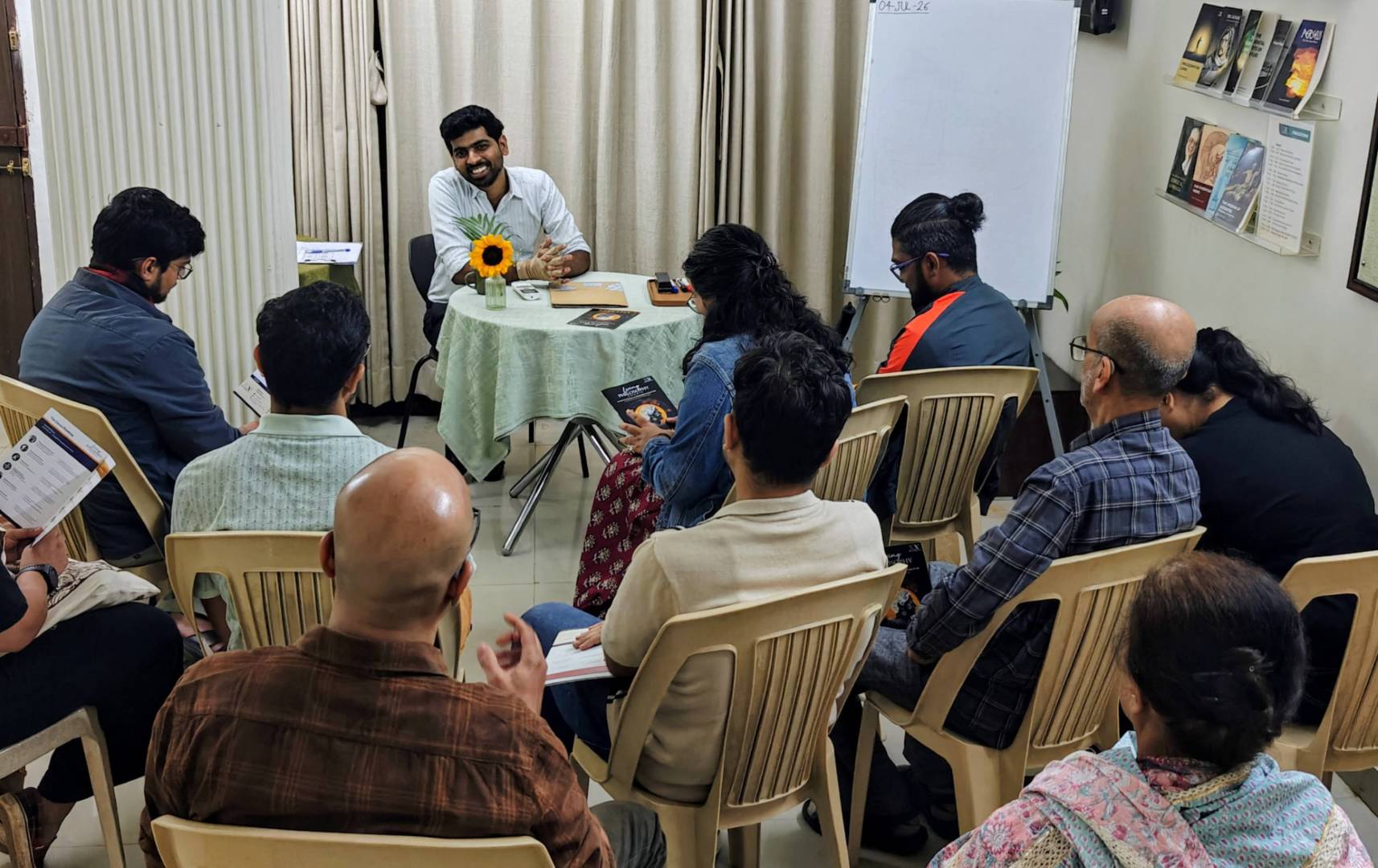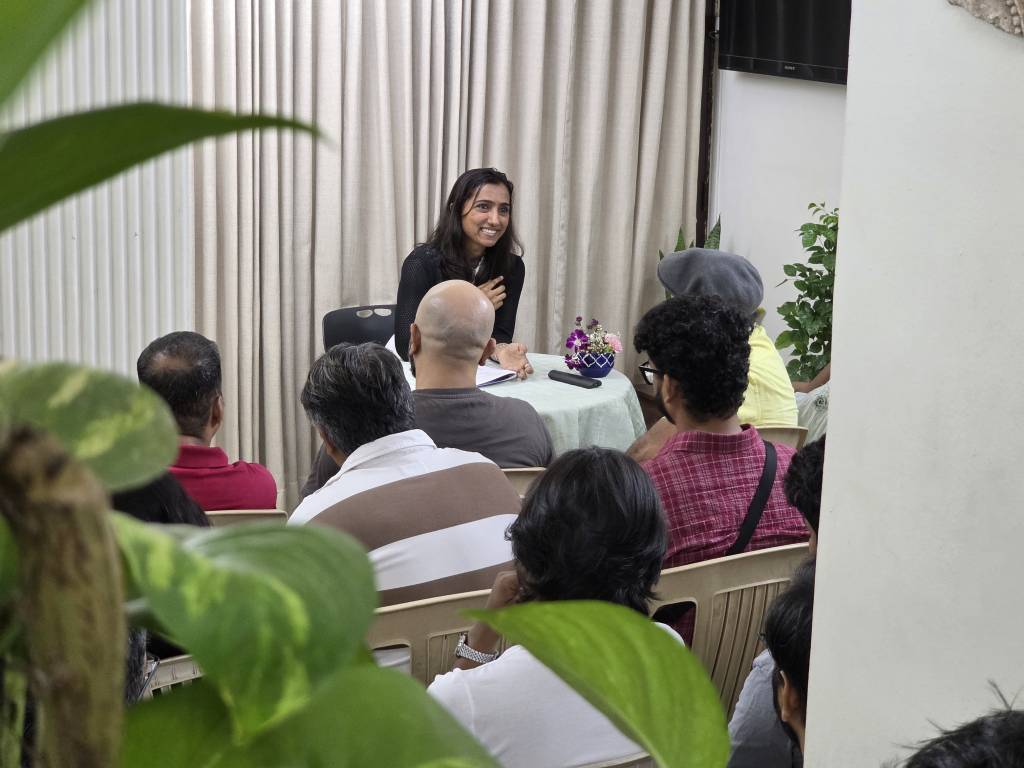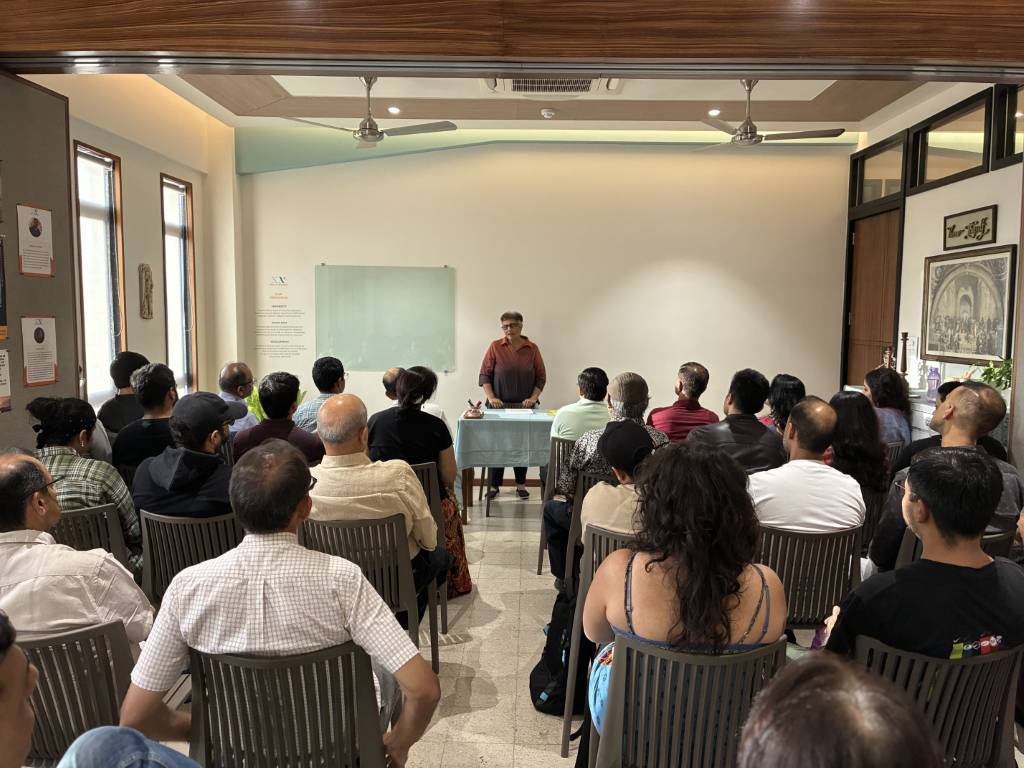

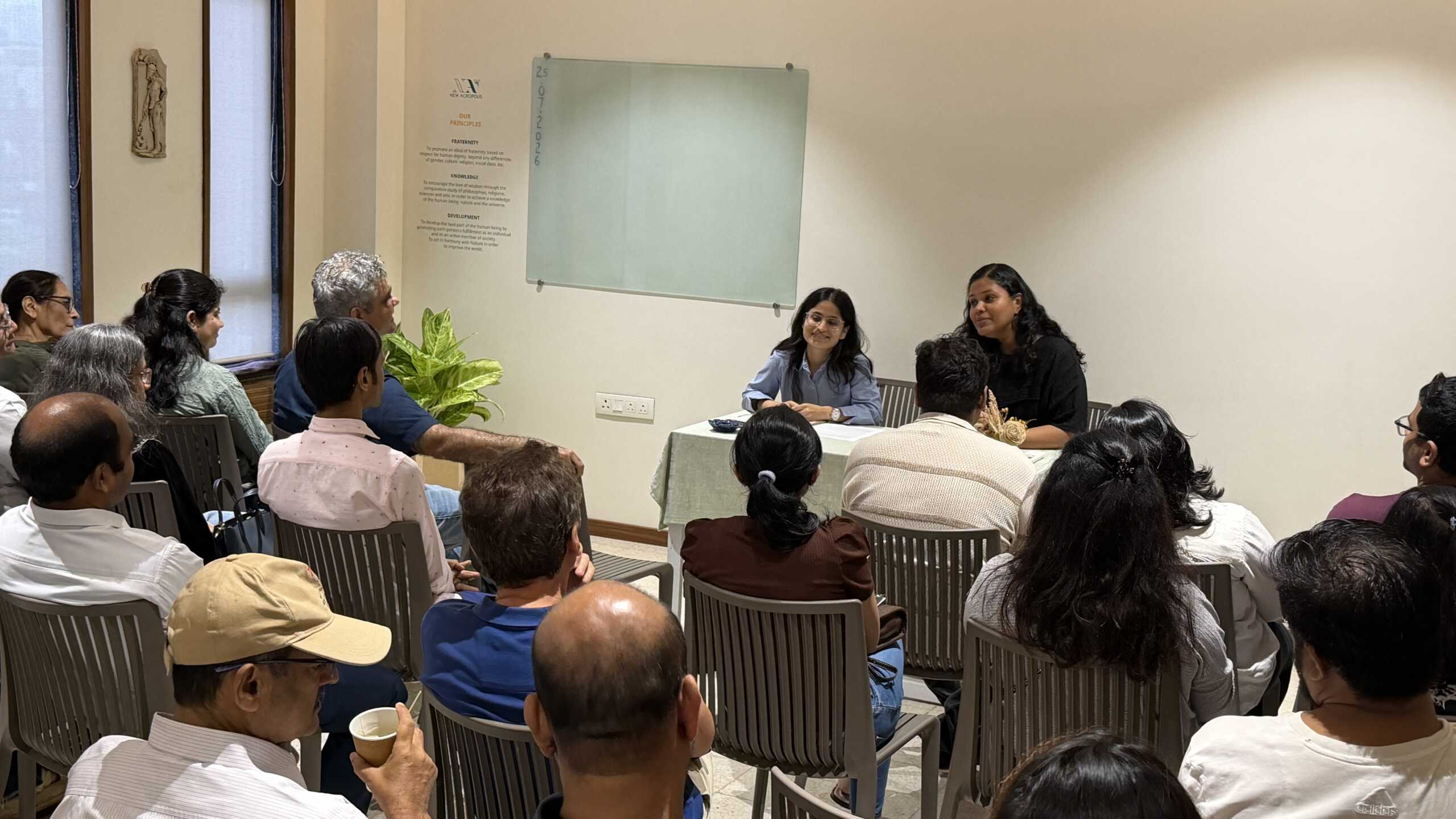
 New Acropolis Main centre hosted a talk titled “The Beauty of Impermanence : Wisdom from the East and West” on 25 July 2026.
The talk explored how different philosophical traditions understand change, uncertainty and the search for meaning in life, bringing together perspectives from Stoicism, Japanese philosophy and the Bhagavad Gita.
The Stoic point of view emphasized the distinction between what is within our control and what is fleeting or beyond our influence. The speakers shared that stability cannot be sought in things that are inherently temporary, instead, attention should be directed towards those aspects of life that depend on one’s own choices and actions. The discussion also touched upon the Stoic practice of voluntary discomfort, intended to strengthen character and prepare individuals to face uncertainty and adversity.
Wisdom from The Bhagavad Gita offered a dimension to the talk, focusing on the development of character and the idea of a permanent aspect within each individual. Taking the example of Krishna’s counsel to Arjuna, the discussion explored the belief that the soul or the permanent cannot be destroyed and that one’s duty should be aligned with this deeper understanding of the self.
The Japanese perspective approached impermanence through beauty where rather than viewing transience as something to resist, we can try and search for beauty precisely because things change and pass away. The idea of impermanence is an opportunity to bring meaning to each moment and to discover the permanent that lies behind it
Together, these three perspectives presented impermanence as an opportunity for reflection and transformation.